Can the Buyer's Contractor Work on the House Before Closing? A Seller's Guide
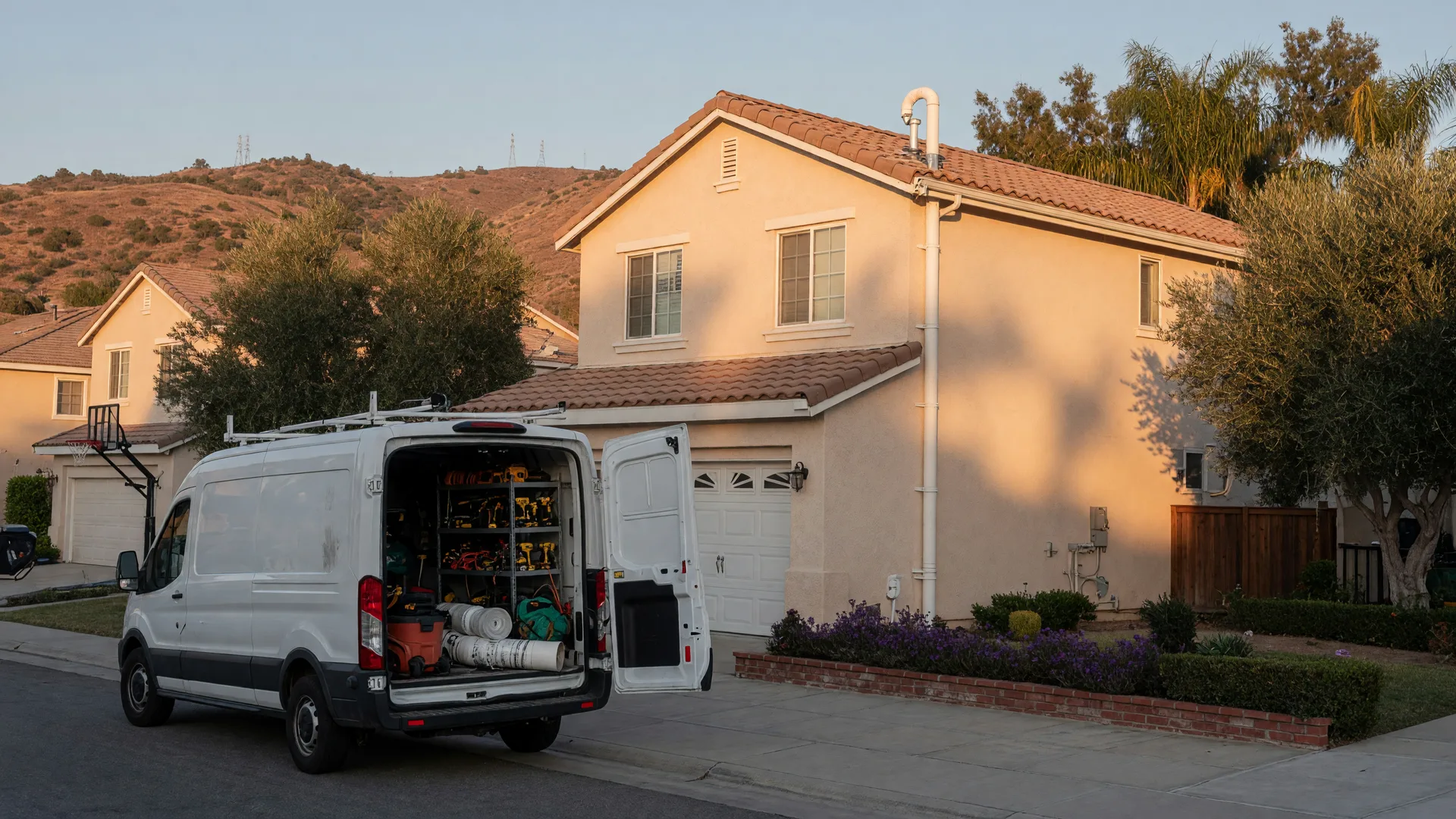
A seller closing on Friday was asked by the buyer to let a contractor come over the next day to install a radon mitigation system, because radon came back elevated during inspection and the seller had already agreed to give a credit for it. The seller did not know the contractor, did not know if they were insured, and still owned the house, so the seller said no, then worried they had overthought it. This guide explains why that hesitation was legitimate, the principles that govern access and liability before closing, and the credit-versus-done-work trade-off every seller should understand.
You Were Not Overthinking
Let me say this plainly, because it is the part that matters most: saying no was not overthinking. It was a reasonable, defensible call, and you should not spend another minute second-guessing it.
Until closing, you still own the home. That means you generally control who comes onto the property and what work is done there, and it also means you carry the responsibility for the condition of the home until the deed transfers. Handing the keys, even briefly, to a contractor you have never met, who has not shown you proof of insurance or a license, days before your closing, is exactly the kind of moment where a slow, careful answer is the right answer.
A buyer asking for early access is not unusual, and in the right circumstances sellers agree to it. But every request deserves a clear head and a written plan, not a rushed yes under closing-week pressure. You are allowed to protect your home and your transaction. That is not overthinking. That is good judgment.
"Real estate is about people, not just properties. A seller who protects their home through closing is protecting the deal too."
The Principles: Who Controls the House Until Closing
The general shape of a home sale is simple: you own the home and control access until closing, and you are responsible for its condition until the deed transfers. Most purchase contracts hold the seller responsible for maintaining the property in substantially the same condition as of the day the offer was accepted, right through the close of escrow. Risk of loss, in the ordinary case, stays with the seller until title passes.
That is why letting strangers perform work on the home before closing carries real risk. It is not about mistrusting the buyer. It is about what can go wrong, and who is left holding it:
- Property damage. Work done badly can damage the home you still own, and you are the one who must answer for its condition at closing.
- Liability. If someone is injured on the property while you still own it, questions about insurance and liability can land on you. You want proof of coverage before anyone sets foot on the job.
- Permits and tax questions. Certain work needs permits, and unpermitted work can complicate the sale and the home's records. That is a headache nobody needs in closing week.
- Lien risk. If a contractor is not paid, they can file a mechanic's lien against the property. A lien is a cloud on the title, and title companies and lenders generally will not close on a home with an unresolved lien. A single unpaid invoice could threaten the closing itself.
If a seller does agree to pre-closing work, it should only happen with protections in place: a written agreement, proof of insurance and licensing, a clearly defined scope of work, a walkthrough before and after, and ideally a plan worked out through escrow with the right conditions. Nothing verbal, nothing open-ended, and nothing that leaves you unprotected.
Credit vs. Done Work: The Trade-Off That Matters
Here is the teaching heart of this whole situation. There are two ways to handle something like a radon reading: you can give the buyer a credit at closing and let them arrange the work themselves, or you can have the work done before closing. They are both valid, but they are not equal in how they feel for a seller.
A credit at closing is usually the cleaner path. The buyer takes the money and handles the work after close, at their own pace and their own risk, with their own contractor and their own inspections. You get your closing, your proceeds, and your peace of mind, and the buyer gets the funds to make the fix. For most sellers, that is the simpler, safer choice.
If the buyer instead wants the work done before closing, the seller should set strict terms: a licensed and insured contractor, any required permits, a signed agreement, clear compensation and protection for the seller, and a final inspection of the completed work. That is a lot to coordinate in the days before a closing, which is exactly why it is the exception rather than the rule.
And here is the crucial point for this specific story: a credit had already been agreed for the radon. Once a credit is agreed, the seller's obligation is generally satisfied by that credit. A later request to also have the work done before closing changes the terms of the deal as originally understood, so the seller can reasonably ask the buyer to hold the agreed credit and handle the work after close. You do not owe the buyer both a credit and the completed work on top of it, and it is fair to point that out, kindly and in writing.
A Radon Reality Check
Radon is a naturally occurring gas that can enter a home from the ground, and elevated readings are something buyers and sellers take seriously. A proper mitigation system is usually a licensed professional's job: it involves sizing the system, installing a fan, and running proper venting, and a quality job needs a real contractor who knows what they are doing. This is not a do-it-yourself weekend project, and it is not something to rush through the day before a closing.
If a credit has already been agreed, it is completely normal for the buyer to handle the mitigation after close. That is how most of these deals work, and it protects everyone. The buyer gets the funds and the time to do the job right, and the seller avoids the risk of pre-closing work.
A quick note on California, lightly: radon is present in California and the state recommends testing, but average levels here are generally lower than in many other parts of the country, and elevated readings tend to be concentrated in certain areas rather than statewide. If you are ever asked about radon in your area, the honest answer is to check your own home and your own zone rather than assume. The principle that matters for this article, though, is the same everywhere: until closing, the seller controls access and carries the responsibility.
What a Good Listing Agent Does at This Moment
This is exactly the kind of moment where a good listing agent earns their keep. The right agent helps you navigate a request like this calmly and clearly: they advise you on access, they help you protect yourself if you do agree to anything, and they keep escrow and the buyer's agent informed so there are no surprises at the closing table.
Your agent is your advocate, not just a coordinator. If a buyer's contractor request lands in your lap days before closing, your agent should be the one helping you figure out the right answer, protecting your position, and making sure the deal stays on track. That is the value of representation, and it is not a slogan. It is a person whose job it is to stand between you and closing-week stress.
A Reassurance for the Seller
Let me close the practical part with reassurance. Saying no and sticking with the agreed credit is sensible. Most buyers and most agents understand, especially when the request comes with no insurance proof and no written plan, days before closing. Closing on Friday is normal, and a polite no to an unvetted contractor does not derail the deal. In fact, handled with a clear explanation and through the agents, it usually protects the deal.
None of this is legal advice, and every contract is different. The general principles here are common across California and most of the country in their shape, but the specific language of your purchase agreement decides what applies to you. Read your contract, and have your agent, and where the stakes are high, a real estate attorney, confirm the specifics of your situation. Educated decisions create better results.
A Note on Fair Housing
This advice is for every buyer and every seller, in every neighborhood, regardless of who they are or where they come from. Fair Housing means every person deserves the same honest process, the same written protections, and the same professional treatment through closing. A seller's right to protect their home does not depend on who is asking, and a buyer's right to a fair inspection and a fair credit does not depend on who is selling.
The Hopeful Close
Most closings go smoothly, and this kind of request, handled well, does not have to be the one that breaks that pattern. You said no to something you were not comfortable with, and that is not overthinking. It is protecting your home, your transaction, and yourself, right up to the moment the deed transfers.
If a request like this ever lands in your lap, slow down, get it in writing, lean on your agent, and remember that a credit already agreed usually means the buyer handles the work after close. You do not have to say yes to something you do not understand, and you do not have to rush a decision that affects a home you still own.
Make it a great day.
Let's Create a Plan
Whether you are buying, selling, or just trying to figure out the right move, I would be honored to help you navigate the process with less stress and better results. I combine 22 years of real estate experience, cutting-edge AI technology, and military-inspired service to guide you through moments like this with clarity and care.
Call (661) 621-5340, email Sam@SamSilverHomes.com, or schedule a time that works for you. No pressure and no obligation, just honest advice.
Sam Silver
U.S. Army Veteran · AI-Certified REALTOR® · 22+ Years Experience
Equity Union Real Estate · CalDRE #01412755
Sam Silver, REALTOR, Equity Union Real Estate, CalDRE 01412755. Equal Housing Opportunity.
Educational content, not a solicitation. This is not intended as a solicitation if you are currently working with another real estate broker. All information is deemed reliable but not guaranteed and should be independently verified.