Canyon Country Prices Look Too Good To Be True? Check What You're Actually Buying
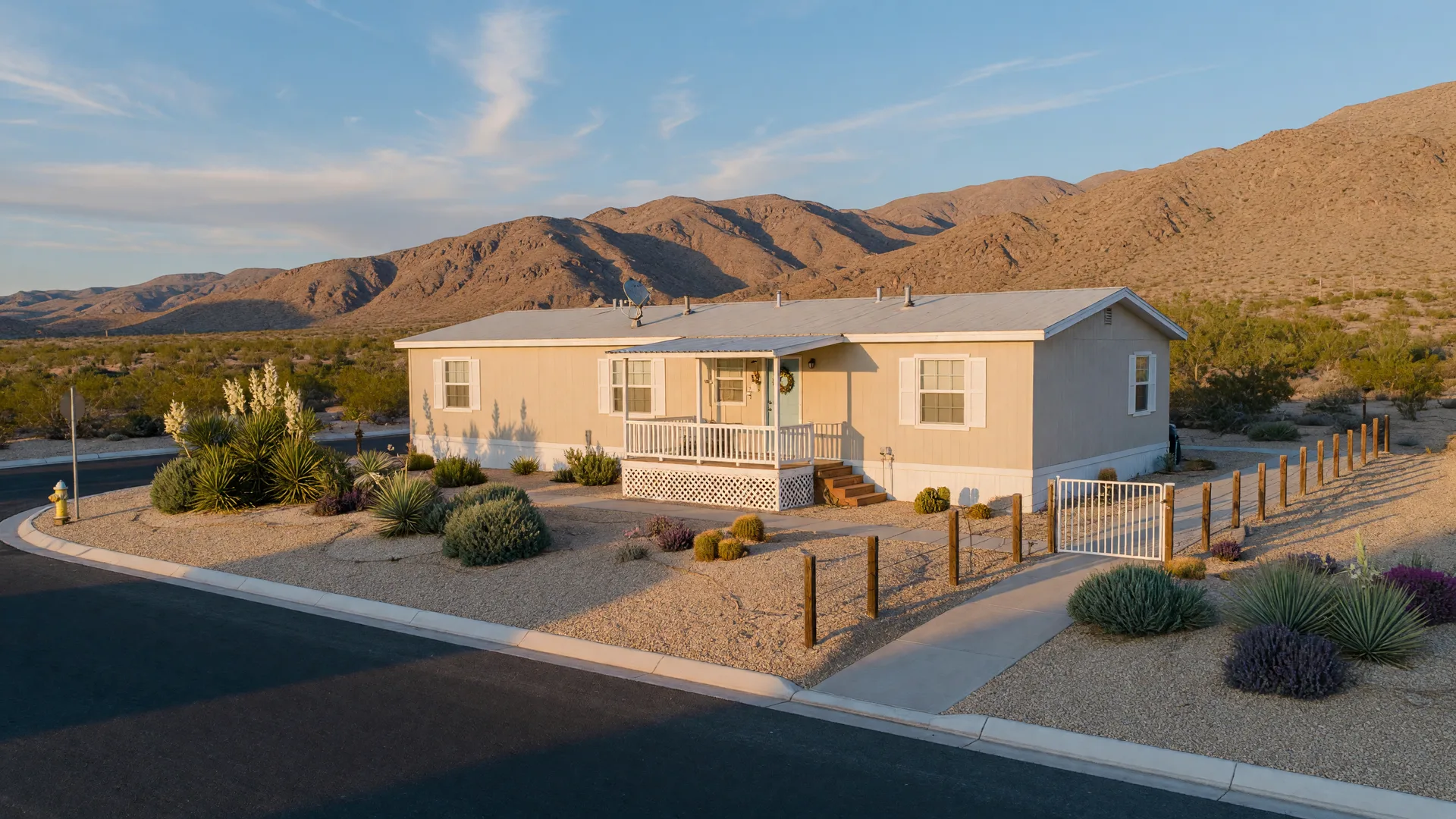
A prospective buyer moving to the area recently told me they kept finding Canyon Country listings with prices that looked too good to be true, and they were right to look closer. Some of those homes turned out to be manufactured or modular homes sitting on leased land. There is nothing wrong with those homes, but they are different products than a site-built house, and knowing the difference changes everything about your payment, your financing, and your future resale.
When a Price Feels Too Good, Ask Why
In real estate, an eye-popping price is an invitation to do more homework, not less. Sometimes a great price means a motivated seller. Sometimes it means a different kind of home, or a different kind of ownership. The skill is telling those apart before you make an offer.
Site-Built vs. Manufactured vs. Modular: The Basics
Site-Built Homes
A site-built home is constructed on its land, at its final location, by a builder, and it is permitted and inspected under the local building codes where it stands. This is what most people picture when they hear "house." It is real property, and it is almost always financed and titled like any other house.
Manufactured Homes
A manufactured home is built entirely in a factory, to a national construction and safety standard overseen by the federal Department of Housing and Urban Development (HUD), and then transported to its site and set up on a foundation. You may know them by older names like mobile homes, though modern manufactured homes are a very different product from the trailers of decades ago. On owned land with a permanent foundation, a manufactured home can be a legitimate, affordable way to own a home.
Modular Homes
A modular home is also built in sections in a factory, but it is constructed to the same state and local building codes as a site-built home, then assembled on site and placed on a permanent foundation. Once complete, a modular home is often treated much more like a traditional house than a manufactured home is, but the details still depend on the specific property and jurisdiction. Each type comes with its own rules, and those rules matter.
The Question That Changes Everything: Do You Own the Land?
Here is the single most important question to ask about any low-priced home: does the sale include the land underneath it, or are you buying the home and then paying rent for the land each month? In some parks and communities, the homes are sold separately from the dirt, and the buyer signs a land lease or space rent agreement that runs month to month or longer.
Buying a home without the land is a legitimate arrangement that works well for many people, especially in established communities with amenities and affordable living. But it is a very different financial picture than owning the ground under your feet, and you deserve to understand it perfectly before you commit.
How the Land Changes Your Monthly Payment
If the land is leased, your monthly cost includes the space or lot rent on top of your home loan, and that rent can change over time, sometimes at the park's discretion. A home that looks cheap at first can carry a monthly commitment that is no bargain once the land rent is added. On the other hand, some buyers find the total monthly cost still fits their budget beautifully, which is exactly why these homes exist and sell. The point is to run the real total, every month, before you fall in love with the price.
How the Land Changes Financing
Financing rules differ by home type. A site-built home, and many modular homes on owned land, can be financed with a standard mortgage. Manufactured homes are often financed differently, sometimes as personal property rather than real estate, unless they sit on owned land with a permanent foundation, in which case certain mortgage programs, including some VA and FHA options, may apply. Loan terms, rates, and down payment requirements all vary, so get clear, in writing, from a lender who knows manufactured housing before you get your hopes set on a specific program.
How It Changes Resale Later
All homes depreciate in some way and appreciate in others, but the resale picture is different when the land is leased. A home on owned land generally has a broader buyer pool and historically a stronger story for appreciation, because land tends to hold and build value. A home on leased land sells to a smaller pool of buyers who are comfortable with the park arrangement, and the details of that lease can affect everything from buyer financing to the sale price. Neither is automatically bad. Both are simply different, and informed buyers plan for the difference.
"You can fall in love with a home you understand. You can only get hurt by one you don't."
Questions to Ask Before You Fall in Love
- Is this home site-built, manufactured, or modular? Ask for the exact classification in writing.
- Does the purchase include the land, or is there a land lease or space rent? Get the full agreement and any history of rent increases.
- How is this home financed in practice? Ask a lender who handles this specific type.
- What are the total monthly costs: loan payment, land rent if any, taxes, insurance, utilities, and any community fees?
- How have similar homes in this community sold, and how long did they take?
The Takeaway: Know What You're Buying, Then Decide
The right home for one buyer is the wrong home for another, and a manufactured home on leased land can be a wonderful fit for someone who wants affordability, community, and low-maintenance living. The mistake is never the type of home. The mistake is buying one without understanding exactly what you got. When you know what you're buying, the price stops being a mystery and becomes a decision.
If you are looking at Canyon Country, or anywhere in the Santa Clarita Valley, and want help sorting out what a listing really is, I am glad to walk through it with you. That is the kind of question I love answering before you ever write an offer.
Sam Silver
U.S. Army Veteran · AI-Certified REALTOR® · 22+ Years Experience
Equity Union Real Estate · CalDRE #01412755
Let's Read the Fine Print Together
Bring me any listing that looks almost too good, and I will help you decode what you are actually buying before you commit. Honest answers, no pressure.
Sam Silver, REALTOR, Equity Union Real Estate, CalDRE 01412755. Equal Housing Opportunity.