Should I Renovate Before Selling? What Actually Pays Off
Every seller asks this question at some point: "Should I renovate before selling? What improvements will actually pay off, and which ones will just cost me money?" After 22 years as a REALTOR, I have seen homeowners spend tens of thousands on renovations that never paid back a dime, and I have seen simple, low-cost improvements add thousands to the final sale price. This guide will help you understand the difference.
1. The Big Question
Here is the honest truth: not all renovations pay for themselves. Some improvements add real value to your home and help it sell faster. Others are expensive projects that cost you thousands and barely budge your sale price.
The key question is not "Will this renovation make my home look better?" It is "Will this renovation return more money than it costs when I sell?"
Every market is different. Every neighborhood has a ceiling. And every dollar you spend on your home before selling should be evaluated through the lens of return on investment (ROI), not personal taste. A renovation that makes sense for a home you plan to live in for ten years may be a terrible investment for a home you are selling in two months.
In this guide, I break down what actually pays off, what doesn't, and how to decide where to put your money before listing your home.
2. Renovations That Pay Off (ROI 70-100%+)
These improvements consistently deliver strong returns because they address what buyers notice most: cleanliness, condition, and move-in readiness. None of them require a major contractor or a big budget.
Fresh Interior Paint (Neutral Colors)
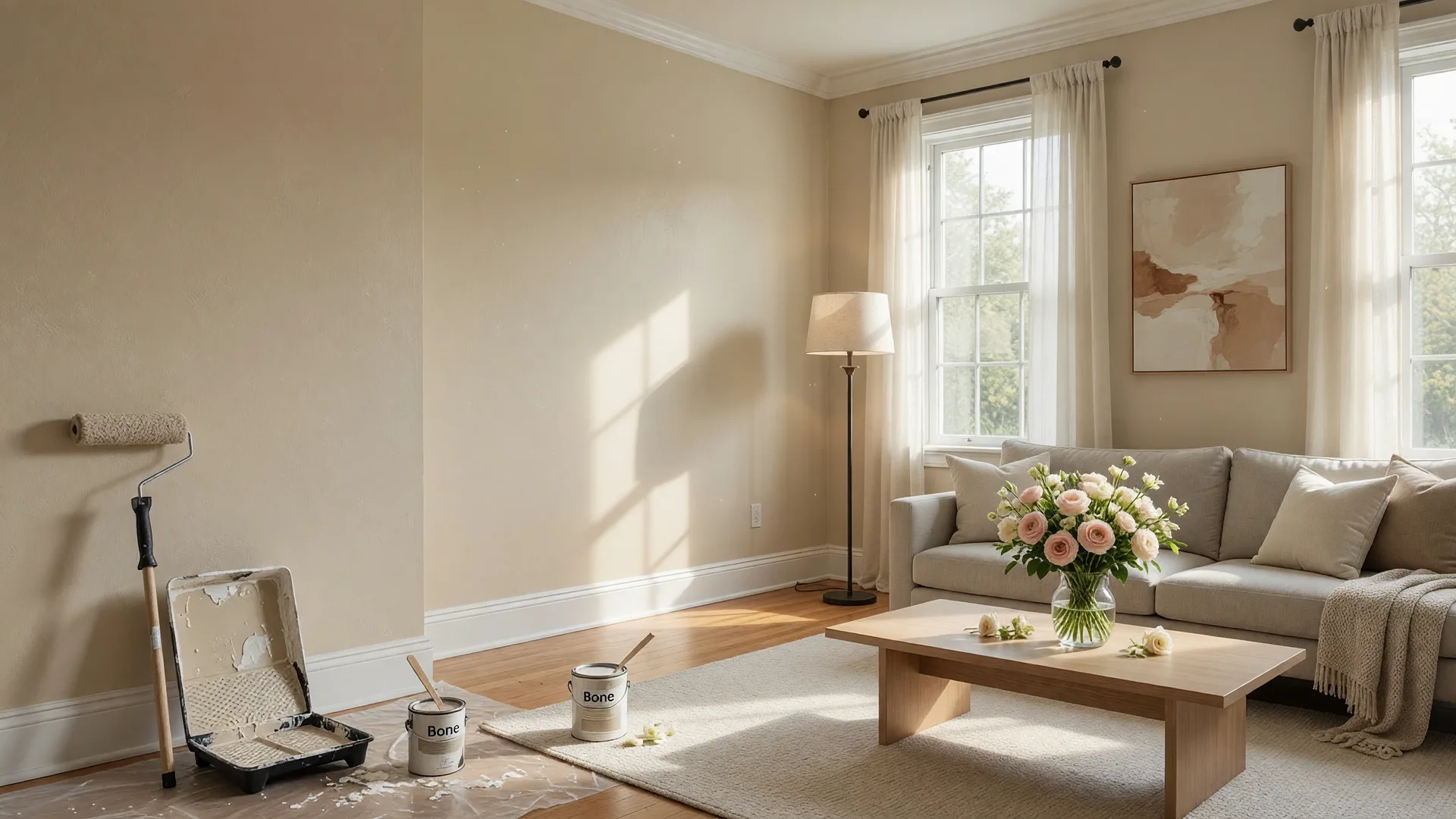
This is the single highest-ROI improvement you can make. A fresh coat of paint in neutral, light colors makes your home feel clean, bright, and well maintained. It also helps buyers imagine their own furniture in the space. Cost: a few hundred dollars for a few rooms. Impact: significant. I have seen fresh paint alone increase offers by thousands.
Deep Cleaning and Decluttering
A professional deep clean costs a few hundred dollars and can be the difference between a buyer seeing a well-cared-for home and a home that feels neglected. Steam carpets, wash windows, scrub grout, clean ceiling fans, and remove personal photos and clutter. Make it feel like a model home.
Minor Bathroom Updates
You do not need to gut the bathroom. Replace old caulk, update faucets and hardware, install a new mirror, and re-grout tile if needed. A fresh, clean bathroom signals that the home has been maintained. Budget $500-$1,500 for these updates and expect a strong return.
Kitchen Minor Updates
The kitchen sells the house, but a full remodel is rarely the answer. Instead, paint cabinets (not replace them), install new hardware, update light fixtures, and add a modern backsplash. These changes cost a fraction of a full remodel and make the kitchen feel current without the six-figure price tag.
Curb Appeal
First impressions matter more than almost anything. Fresh landscaping, a new front door (or a fresh coat of paint on the existing one), power washing the driveway and walkways, and clean gutters cost relatively little and immediately tell buyers this home has been cared for. A $200 front door paint job has been known to add $2,000-$5,000 to offers.
New Lighting Fixtures
Outdated light fixtures make a home feel dated. Modern, attractive fixtures are relatively inexpensive ($50-$200 each) and can transform the feel of a room. Replace builder-grade fixtures in entryways, kitchens, and bathrooms for maximum impact.
Professional Staging
Staged homes sell faster and for more money. A professional stager knows how to arrange furniture, use lighting, and create a welcoming atmosphere that helps buyers see themselves living there. Many agents, including myself, include staging as part of their listing service. It pays for itself in nearly every case.
3. Renovations That Don't Pay Off (ROI Under 50%)
These projects are tempting because they sound impressive. But when it comes time to sell, you will almost never recover what you spent.
Major Kitchen Remodel
A $50,000 kitchen renovation does not add $50,000 to your sale price. In most cases, you will recover 40-60% of the cost at best. Buyers may appreciate a new kitchen, but they will not pay enough extra to justify the expense. Minor updates are almost always the better investment.
Major Bathroom Addition
Adding a new bathroom from scratch is expensive, disruptive, and rarely recoups its cost. If your home already has a functional number of bathrooms for its size, adding another one is unlikely to pay off at sale time.
Swimming Pool Addition
A pool typically recoups only 30-50% of its cost. Worse, many buyers actually view pools as a negative: they require maintenance, increase insurance costs, and pose safety concerns for families with young children. Unless every home in your neighborhood has a pool, skip this one.
Luxury Upgrades
High-end appliances, custom marble countertops, designer fixtures, and premium finishes rarely return their cost. Most buyers want a home that is nice, clean, and functional. Very few are willing to pay a premium for luxury finishes they did not choose themselves.
Converting Bedrooms
Turning a bedroom into a walk-in closet, home office, or gym can actually reduce your home's value if it decreases the number of bedrooms. Buyers generally want more bedrooms, not fewer. Think carefully before removing a bedroom.
Over-Improving for the Neighborhood
This is the most expensive mistake of all. If every home in your neighborhood is worth $600,000, spending $100,000 on a luxury renovation does not make your home worth $700,000. It makes your home the most expensive house on the block, and buyers will compare it against the other homes in the same neighborhood. You will almost never recover the extra investment.
4. The Sam Silver Rule
"Fix what's broken. Don't over-improve."
This simple rule has guided every seller I have worked with for 22 years. Here is how to apply it:
- Fix what's broken. Leaky faucets, cracked windows, broken appliances, damaged flooring, holes in walls. Anything that a home inspector would flag or a buyer would notice as a defect. These repairs protect your sale price and prevent negotiation leverage for buyers.
- Don't over-improve. Do not install a gourmet kitchen in a starter-home neighborhood. Do not build a pool if none of your neighbors have one. Do not replace perfectly functional fixtures just because they are not your style. Buyers in your price range are looking for certain things, and going far above the neighborhood standard rarely pays back.
Focus on presentation, not renovation. Your home does not need to be new. It needs to be clean, well maintained, and easy for buyers to envision themselves living in. Minor cosmetic updates — paint, lighting, hardware, landscaping — do more for your sale price than any major renovation project.
Sam Silver's rule: "Fix what's broken, don't over-improve." Minor cosmetic updates beat major renovations every time when it comes to return on investment.
5. Alternatives to Renovating
Sometimes the smartest financial decision is to not renovate at all. Here are alternatives that can save you time, stress, and money:
Price Adjustment Instead of Renovation
If your home needs updating, you can price it accordingly. A home that needs cosmetic work can be listed at a price that reflects its condition, attracting buyers who are willing to do the work themselves. This approach often nets the seller as much or more than renovating, without the upfront cost and hassle.
Seller Credits to Buyers
Instead of spending $15,000 on a kitchen refresh before listing, you can offer a $10,000 seller credit to the buyer after the sale. This lets the buyer choose their own finishes, and you avoid the risk of renovating in a style that doesn't appeal to the eventual buyer. Win-win.
As-Is Sale
Selling as-is means you are not fixing anything. You disclose the home's condition transparently, price it to reflect that, and let buyers decide. This works well for homes that need significant work, probate and trust sales, or situations where the seller does not have the time, money, or energy for renovations.
Each of these alternatives has its place. The right strategy depends on your home's condition, your timeline, your budget, and your goals. That is why I sit down with every seller to evaluate their specific situation before recommending a path forward.
6. What to Fix Before Listing: Priorities
If you decide to do some preparation work before listing, here are the priorities in order of importance:
- Anything that would fail a home inspection. Roof leaks, electrical issues, plumbing problems, HVAC that does not work, foundation cracks, mold, termite damage. These items will come up during the buyer's inspection and can kill a deal or cost you heavily in negotiations. Fix them before listing.
- Safety concerns. Broken stairs, loose railings, exposed wiring, non-functional smoke detectors, cracked walkways. Safety issues are non-negotiable and can also be liability concerns while showings are happening.
- Obvious cosmetic issues. Peeling paint, stained carpets, grimy windows, overgrown landscaping, dated light fixtures. These are the things buyers notice immediately and base their first impression on.
- Items that make photos look bad. Cluttered rooms, dirty kitchens, unmade beds, personal photos everywhere. Remember that more than 95% of buyers start online. If it does not photograph well, it does not show well. Clear everything that distracts the eye.
Here is a quick checklist to run through before you list:
- Professional deep clean (carpets, windows, baseboards, grout)
- Fresh neutral paint in high-traffic rooms
- Fix all leaky faucets and running toilets
- Replace burnt-out light bulbs and update cheap fixtures
- Clean or replace front door hardware
- Power wash driveway, walkways, and siding
- Mulch garden beds and trim overgrown shrubs
- Remove personal photos and declutter surfaces
- Clean all windows inside and out
- Replace worn caulk in bathrooms and kitchen
Not Sure What to Fix?
Schedule a walkthrough with Sam Silver and he will tell you exactly what is worth doing. No pressure, no upsell. Just honest, experienced advice.
Sam Silver
U.S. Army Veteran · AI-Certified REALTOR · 22+ Years Experience
Equity Union Real Estate · CalDRE #01412755