Santa Clarita vs. Stevenson Ranch: Are the Ownership Rules Really Different?
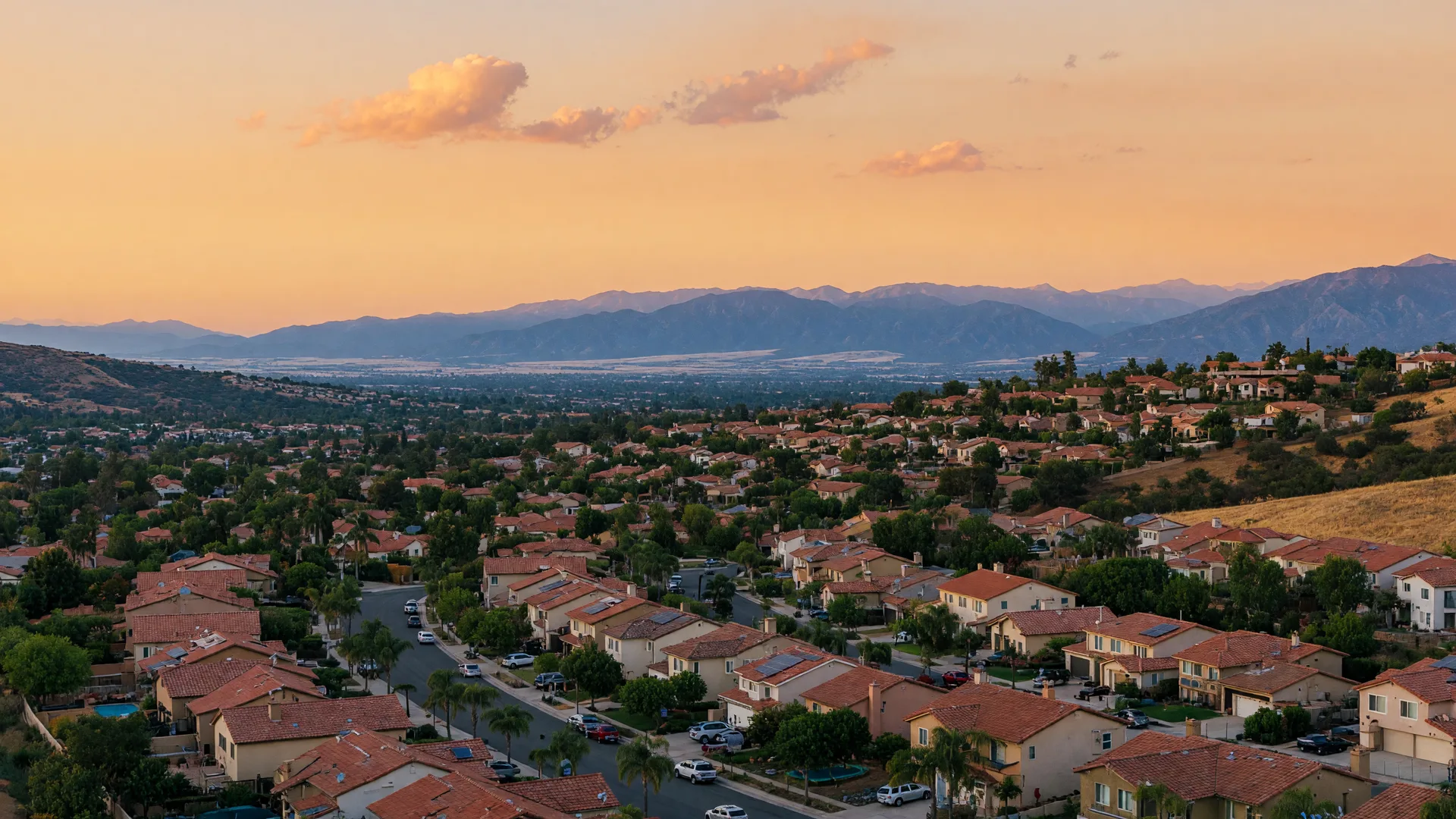
A buyer on a local forum asked a question worth taking seriously: they had been told by a broker that "the laws and regulations of ownership are completely different in Stevenson Ranch." Is that true? No, not the way it sounds. The law that governs the actual ownership of a home, the deed, the title, escrow, disclosures, and the contract, is California state law, and it is the same everywhere in the state. But the buyer was not wrong to stop and ask, because Stevenson Ranch and Santa Clarita really do operate under different local jurisdictions, and those differences show up in ways buyers genuinely notice. Here is the straight breakdown from a REALTOR who works both sides of that line, every day, for 22 years.
What the Broker Got Wrong, and What They Got Right
Start with the part that should reassure you. When you buy a house in California, the ownership itself works the same way whether the property sits in Santa Clarita, Stevenson Ranch, or Sacramento. The deed is recorded with the county recorder, the title is insured through the same title system, escrow follows the same rules, the seller delivers the same statutory disclosures, and the purchase agreement is governed by California contract law. Every single one of those is state law, which means no local city or county can rewrite them. If a property is sold in Stevenson Ranch, the paperwork that transfers ownership looks like the paperwork in Santa Clarita, because both are California sales.
So "completely different laws of ownership" is an overstatement, and it is worth saying that plainly, because a buyer hearing that could imagine something alarming that simply does not exist.
But here is the part where the broker was pointing at something real. Stevenson Ranch and Santa Clarita are different jurisdictions, and a handful of things that touch your day-to-day life as an owner really do change depending on which side of the line your street is on. Different government, different rules book, different agency for permits, different funding for services. None of it changes who owns your house. All of it changes how your house and your neighborhood are managed. That is the distinction that actually matters, and it is exactly what this post walks through.
The Jurisdiction Difference, Explained Cleanly
Santa Clarita is a city. It incorporated in 1987, uniting Canyon Country, Newhall, Saugus, and Valencia under one municipal government, and it operates like a city in every way you would expect. It has its own municipal code, including its zoning code and its building code. It has its own planning division and a planning commission that reviews development. Its own building and safety division issues building permits and performs inspections. Code enforcement, business licensing, parks maintenance, and street upkeep all run through the city.
Stevenson Ranch is not in the city. It is an unincorporated community in Los Angeles County, which means no city council represents it. The county is its local government. Zoning in unincorporated territory is administered by the Los Angeles County Department of Regional Planning, building permits are issued by the county building and safety department, and county planning processes govern anything that comes before a permit or a land use decision. If a neighbor in Stevenson Ranch builds a fence or a home addition, the county is the office that says yes or no, not the city.
That is the cleanest way to hold the original claim: ownership law is the same, because it is state law. Local government is different, because one place is a city and the other is unincorporated county territory. Everything practical below flows from that one fact.
Six Practical Differences Buyers Actually Notice
1. Who issues permits for renovations
In Santa Clarita, you pull a permit from the city: the city's building and safety division reviews the plans, issues the permit, and does the inspections for additions, remodels, electrical work, plumbing, and similar projects. In Stevenson Ranch, the same work goes through Los Angeles County building and safety. Same state construction standards apply to both, because California's building codes govern statewide, but the counter you walk up to, the forms you fill out, and the inspector who shows up are different. If you buy a home planning a remodel, check which office issues the permit for that address before you commit to a timeline, because the two jurisdictions run their own processes and their own queues.
2. Police and fire service delivery
This one surprises people, because the answer on both sides is the same agencies, just arranged differently. Both Santa Clarita and Stevenson Ranch are served by the Los Angeles County Sheriff's Department, and the deputies come from the same Santa Clarita Valley station. The difference is the arrangement: the city of Santa Clarita contracts and pays the county for dedicated sheriff's deputies as its municipal police force, while Stevenson Ranch, as unincorporated county territory, is served by the sheriff directly as part of the county's normal coverage. Fire service works the same way: the Los Angeles County Fire Department serves both, with the city contracting for its fire services and county fire stations covering the unincorporated community, including a station right in Stevenson Ranch.
3. Who takes care of the streets
In Santa Clarita, the city's public works department maintains the streets, medians, signals, and drainage within city limits, and residents raise issues through city channels. In Stevenson Ranch, those same responsibilities fall to the Los Angeles County Department of Public Works, which maintains the roads, pavement, traffic signals, and drainage in unincorporated territory. For a buyer, the practical question is simple: when something breaks, who do you call? The answer depends on which government has jurisdiction over that street, and it is worth knowing before you move in.
4. Trash collection and recycling
A nice detail, but a real one: the same waste hauler serves both areas, but under different franchise agreements. Inside the city of Santa Clarita, the hauler operates under the city's residential franchise. In Stevenson Ranch, the same company operates under Los Angeles County's franchise for the unincorporated Santa Clarita Valley. Your bins look the same, but your customer service line, billing, and service levels are tied to whichever government holds the franchise, so the account you manage depends on which side of the line the house sits on.
5. How community amenities are funded
This is the difference with the biggest dollar effect, and it deserves the most attention. Stevenson Ranch is a master-planned community, and master-planned communities typically fund their parks, trails, landscaping, and common areas through homeowners associations, and sometimes through special tax districts. Stevenson Ranch has a master community association plus a number of sub-associations for individual tracts. Some parts of the community also sit within a Los Angeles County community facilities district, a Mello-Roos district, where property owners pay an additional special tax that funded community infrastructure, and that tax shows up on the property tax bill.
None of this is a warning against Stevenson Ranch, it is simply a statement of how the math works: when you buy there, read the association documents and the special tax disclosures before you write an offer, because they are a real, ongoing cost of ownership. In Santa Clarita, some neighborhoods also have HOAs, especially newer planned developments, while many older city neighborhoods do not. The rule for anywhere is the same: the seller must disclose HOA membership, and the preliminary title report and tax documents will show the special assessments. Read them, ask questions, and know what your monthly obligation actually is.
6. Property tax rates
The base structure is statewide: Proposition 13 caps the assessed value increase and the standard rate applies across California. But the total rate you actually pay each year is the sum of the base rate plus the voter-approved measures and special assessments that apply to your specific parcel, and those can differ between city and county territory. A parcel in the city may carry city measure taxes; a parcel in the county may carry county measure taxes and, potentially, a special district tax on top. The rates vary, so the only reliable number is the one for the exact parcel you are considering.
That is why the professional habit matters: ask your lender for the total estimated property tax, including all special assessments, in writing, before you make an offer, not after. The escrow company and the title report will confirm the current year's bill, and your lender's estimate should reflect it. Nobody should guess at this number, and you do not have to.
The School Question, Asked the Right Way
Buyers comparing Santa Clarita and Stevenson Ranch ask about schools constantly, so let me address it head on, the way the law requires an agent to address it. School attendance boundaries are set by the school districts, and they can change and can vary street by street. The assigned school for a home is a function of the exact property address, not a function of the neighborhood name, the community, or who lives there.
The practical version is simple: before you fall in love with a house, verify the assigned school for that exact address directly through the district and research the district itself, its programs, its enrollment process, and any open enrollment options that may apply. Do not generalize from one house to the next, because two houses a block apart can be assigned to different schools. Do not make assumptions from the character of a community, because that is exactly the kind of generalization fair housing law prohibits and good advice never needs in the first place. Verify the address, read the district's information, and make your decision on facts.
The Buyer's Checklist Before You Write an Offer
Whether the home is in Santa Clarita, Stevenson Ranch, or anywhere else in the valley, run these five checks as part of your due diligence. Each one takes ten minutes and prevents a surprise that could cost far more than the time.
- Read the HOA and CC&R documents before the offer, not after. Dues, rules, reserves, rental restrictions, and pending special assessments all live in those documents, and the seller must provide them. Know what you are joining.
- Ask about CFD and Mello-Roos special taxes explicitly. If the parcel sits in a community facilities district, the additional annual tax is a real cost of ownership. The disclosure documents and the preliminary title report show it, and your lender should build it into the estimate.
- Get the total property tax estimate in writing from your lender. Base rate plus local measures plus special assessments, calculated for the exact parcel. A verbal range is not a number you can budget on.
- Check which jurisdiction issues permits for any renovation you are planning. City or county building and safety, and what that means for your plans, your timeline, and your budget. It is a five minute call that saves a stalled project.
- Verify the services for the specific parcel. Trash hauler and franchise, water provider, utilities, street maintenance contact, and the assigned school for the exact address. Every parcel has its own answers, so verify the ones that matter to you.
Two Great Communities, One Honest Rulebook
Let me close the way I opened: Santa Clarita and Stevenson Ranch are both excellent places to live, and nothing in this post is a knock on either one. They simply run under different local governments, and the smartest buyers are the ones who know which rulebook applies to the house they are considering. The ownership itself is the same, protected by the same California law, the same deed, the same escrow, the same title. The local jurisdiction is what changes, and once you know the difference, it is not a mystery at all. It is just information, and informed buyers make better decisions.
If you are comparing a home on either side of the city-county line, I would be glad to pull the specifics for the exact property with you: the tax picture, the association documents, the permit situation, the assigned school, and what each community genuinely offers. That is the kind of conversation I do every week, and no one should make a decision this big on generalizations.
"Educated decisions create better results. Know the local rulebook of the home you are buying, and the rest of the process gets easier."
And a note on fair housing, because it matters in every conversation I have: every buyer has the freedom to choose any home, in any community, that fits their budget and their life. My job is to give you accurate information about properties and neighborhoods, never to steer you, and to treat every client with the same care and honesty. That is the standard, and it does not change based on which side of the line a street is on.
Sam Silver
U.S. Army Veteran · AI-Certified REALTOR® · 22+ Years Experience
Equity Union Real Estate · CalDRE #01412755
Let's Look at the Specifics for the Home You're Considering
Bring me the address and I will walk you through the tax picture, the association documents, the permit situation, and the assigned school, whether the house sits in the city or in the county. Straight answers, no pressure.
Sam Silver, REALTOR, Equity Union Real Estate, CalDRE 01412755. Equal Housing Opportunity.